
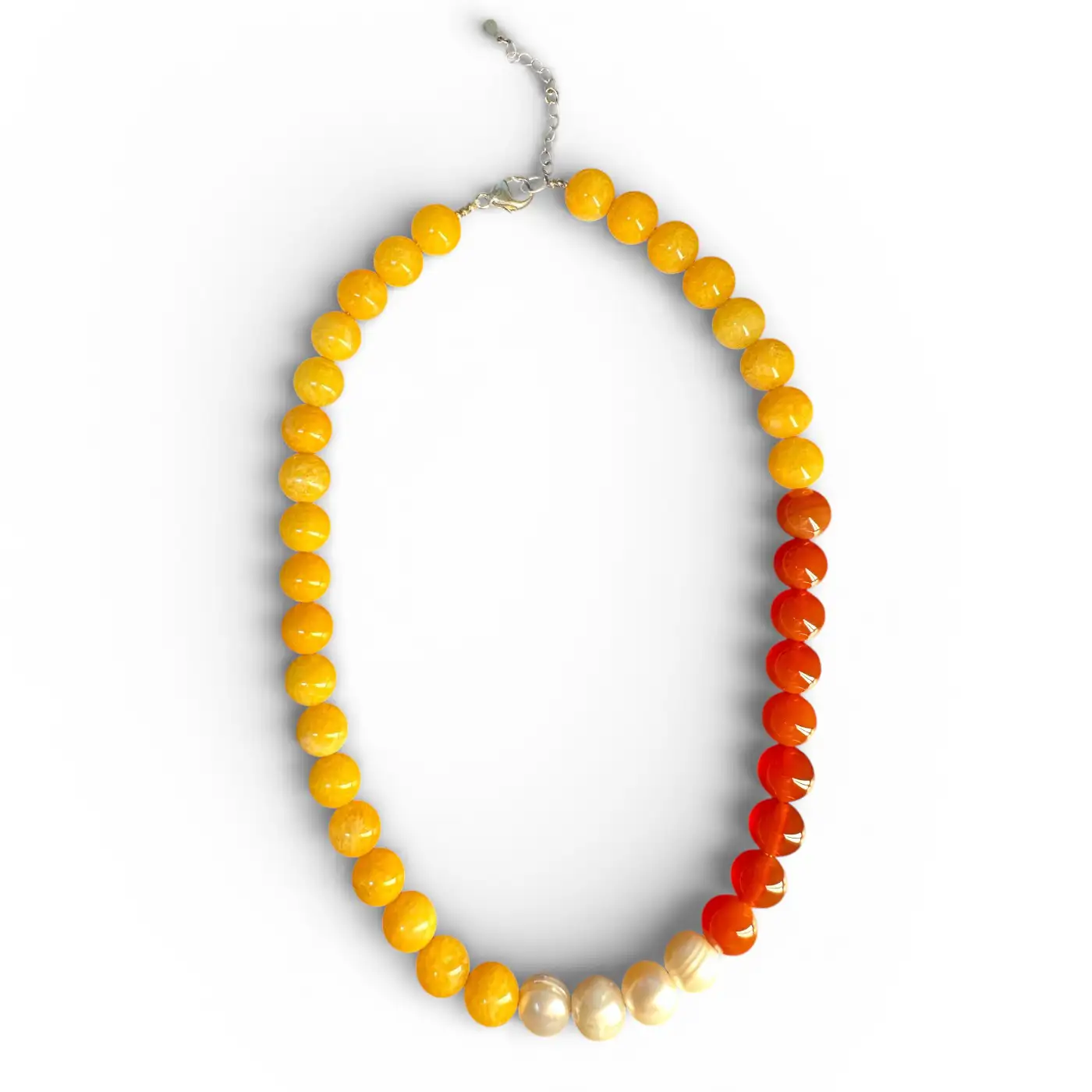
In a world of fast fashion and mass production, handmade artisan jewelry stands apart as something genuinely different. But what exactly distinguishes a handcrafted piece from a factory-made one? And is the higher price point of artisan jewelry truly justified? In this article, we make the case for choosing handmade — exploring quality, ethics, sustainability, uniqueness, and the intangible value of owning something made by human hands with genuine care and skill.
What Makes Jewelry “Handmade”?
True handmade jewelry is crafted primarily by the hands of a skilled artisan using traditional jewelry-making techniques. This includes hand-forming metal wire, soldering components, setting stones individually, and finishing surfaces by hand. While some tools — such as torches, pliers, and polishing wheels — are used in the process, the fundamental shaping, assembly, and creative decision-making are done by the maker.
Mass-produced jewelry, by contrast, is manufactured using automated processes: casting, stamping, machine setting, and electroplating. These methods allow for high volume and low cost, but they sacrifice the subtle variations, intentionality, and personal craftsmanship that define a handmade piece.
Quality That Lasts: The Craftsmanship Difference
Handmade jewelry is built to last. An artisan who hand-sets a stone can examine it from every angle, ensuring the prongs are perfectly positioned, the seat is precisely cut, and the stone is held securely. A machine-set stone is positioned by programmed mechanics that apply the same force and motion to every piece — without the adaptive judgment of a human eye.
Similarly, handmade clasps, jump rings, and chain links are typically heavier gauge and more carefully soldered than their mass-produced counterparts. This attention to structural integrity means handmade pieces are less likely to break, lose stones, or develop wear points over time.
Uniqueness: Wearing Something No One Else Has
Every handmade piece is inherently unique. Even when an artisan creates multiple versions of the same design, subtle variations in the wire wrapping, the stone placement, or the texture of the metal mean that no two pieces are exactly identical. This uniqueness has enormous personal value — your jewelry is yours alone.
Mass-produced pieces, by definition, are identical across thousands or millions of units. There is nothing wrong with this — but it means your jewelry is the same as everyone else’s who purchased the same product. For those who value individual expression and personal storytelling through adornment, this is a meaningful distinction.
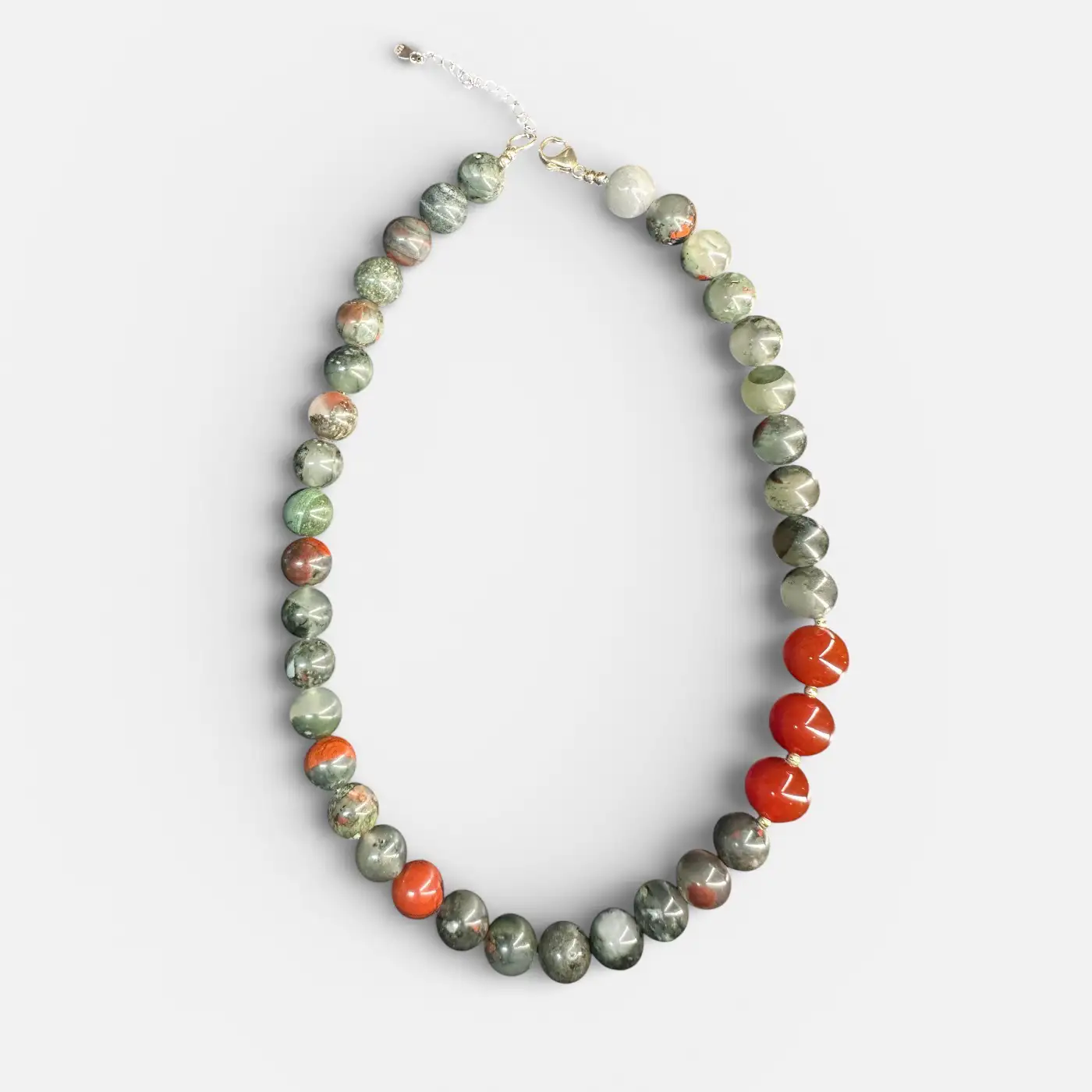
The Ethics of Artisan Jewelry: Supporting Real People
When you purchase a handmade piece from an independent jewelry artist, you are directly supporting a skilled craftsperson and their livelihood. Your purchase sustains traditional techniques, keeps artisanal knowledge alive, and contributes to a more human, story-driven economy.
Mass jewelry production, particularly at the lowest price points, often relies on labor practices and environmental standards that many consumers would find troubling if they were made fully transparent. Fast-fashion jewelry is frequently produced under conditions of low wages, poor safety standards, and significant environmental cost — including the use of toxic chemicals in electroplating and irresponsible mining practices.
Natural Gemstones vs. Synthetic or Imitation Stones
Handmade artisan jewelers typically work with genuine, natural gemstones — stones that carry authentic geological history and measurable material value. Mass-produced jewelry at accessible price points frequently uses glass, cubic zirconia, resin, or low-grade synthetic stones presented with misleading terminology designed to obscure their true nature.
When you invest in handmade jewelry with natural gemstones, you are acquiring a piece with real, verifiable material value — not one that will chip, cloud, or lose its appearance after minimal wear.
Sustainability: Buying Less and Buying Better
The sustainability argument for handmade artisan jewelry is compelling. High-quality, well-constructed jewelry that is loved and worn for decades — and perhaps passed to the next generation — has an infinitely smaller environmental footprint than fast-fashion jewelry that is purchased cheaply, worn briefly, and discarded.
Many independent jewelry artists also make conscious sourcing decisions — working with ethically mined or recycled metals, using responsibly sourced gemstones, and minimizing waste in their studios. These choices are almost impossible to make at mass-production scale.
The Story Behind Every Piece
Perhaps the most profound argument for handmade jewelry is the simplest: there is a story behind it. A human being chose that stone, worked that metal, made those design decisions, and put their hands — and their skill, and their heart — into creating something for you to wear. That connection between maker and wearer is a form of intimacy that no machine can replicate.
At Sunrise by Marina, every piece is handcrafted by Marina herself, using hand-selected natural gemstones and techniques refined over years of dedicated practice. When you wear a Sunrise by Marina piece, you carry something made with genuine care — for the craft, for the materials, and for you.