
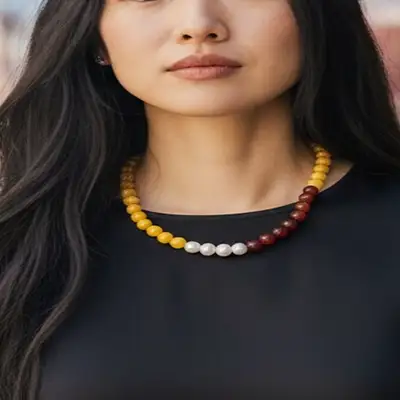
Necklace layering has become one of the defining jewelry trends of the modern era — and for good reason. When done well, layered necklaces create a rich, personal, and effortlessly chic aesthetic that elevates any outfit. But achieving that perfectly curated look requires a thoughtful approach to length, texture, color, and proportion. In this comprehensive guide, we’ll walk you through everything you need to know to master the art of necklace layering.
Understanding Necklace Lengths
The foundation of successful layering is understanding how different necklace lengths relate to each other and to the neckline of your outfit. Here is the standard breakdown of necklace lengths:
- Collar (12–13 inches) — Sits at the base of the throat. Best for V-necks and scoop necks.
- Choker (14–16 inches) — Falls just above the collarbone. A versatile, modern choice.
- Princess (17–19 inches) — The most classic length; sits just below the collarbone. Works with almost any neckline.
- Matinee (20–24 inches) — Rests above the bust. Adds drama and elongates the torso.
- Opera (28–36 inches) — Falls to the mid-chest or lower. Perfect for layering or wearing doubled.
- Rope (37+ inches) — The longest style; can be knotted, doubled, or tripled for a bold statement.
The Golden Rule of Layering: Vary Your Lengths
The most important rule in necklace layering is to space your pieces at least 2 inches apart in length. This ensures each necklace remains visible and distinct rather than tangling together. A classic layering combination might include a 16-inch choker, an 18-inch princess-length pendant, and a 22-inch matinee chain — creating three clearly defined tiers that draw the eye downward elegantly.
Mixing Metals Like a Pro
Gone are the days when mixing gold and silver was considered a fashion faux pas. Today, the most sophisticated and personalized looks often feature a deliberate blend of metals. The key to mixing metals successfully is to introduce at least one element that bridges the two tones — such as a two-tone pendant, a rose gold chain, or a piece that incorporates both warm and cool elements.
For beginners, start with all gold or all silver, then introduce a mixed-metal accent piece. As your confidence grows, experiment freely — asymmetric and unexpected combinations often produce the most interesting results.
Balancing Textures and Weights
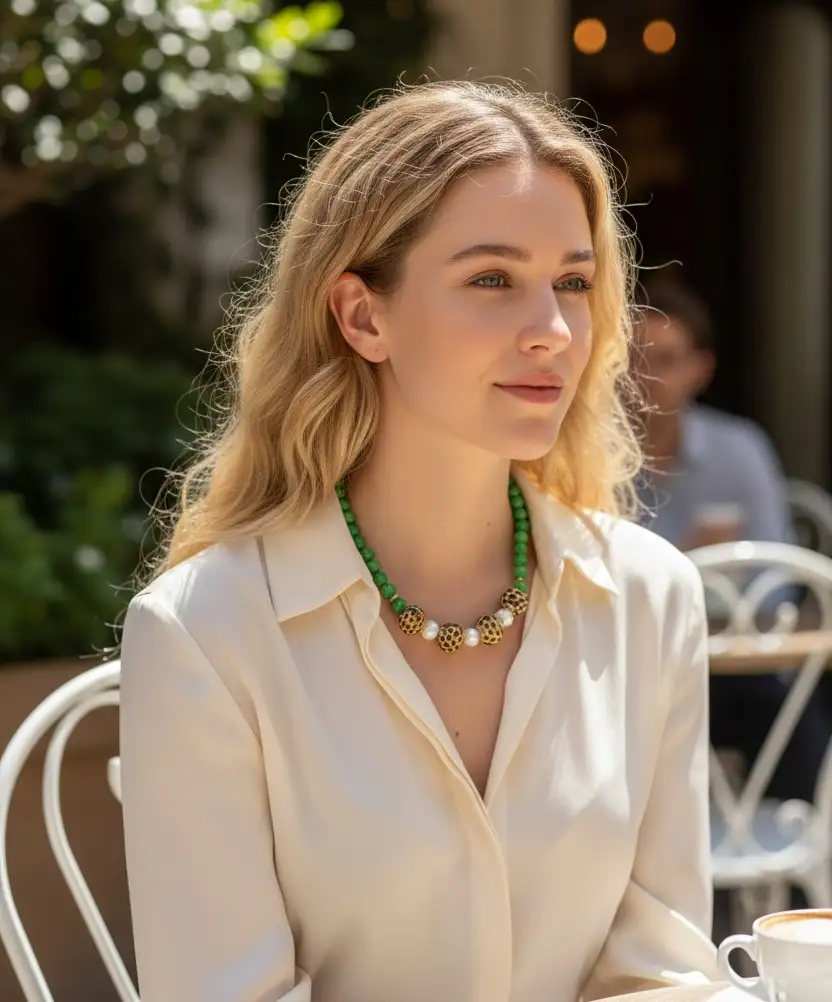
Contrast is your friend when layering necklaces. Pair a delicate, thin chain with a chunkier, textured piece. Combine a smooth, polished pendant with a raw, organic gemstone focal point. Layer a minimalist bar necklace beneath an elaborate beaded strand.
The goal is to create visual interest without overwhelming the eye. A general guideline: keep your shortest necklace the most delicate, and allow the longer layers to carry more visual weight and complexity.
Choosing a Focal Point
Every great layered look benefits from a clear focal point — usually a statement pendant or a particularly striking gemstone piece that anchors the ensemble. Once you’ve chosen your focal piece, build the other layers around it. Simpler chains or subtle gemstone strands complement a bold focal piece, while a more understated pendant can be paired with texturally rich supporting layers.
Neckline Pairing Guide
The neckline of your outfit dramatically influences which necklace lengths will work best:
- V-neck — Mirror the V with a pendant that points downward. Layer with longer chains to emphasize the décolletage.
- Crew neck / Round neck — A choker or short princess-length necklace works best. Add longer layers for dimension.
- Off-the-shoulder — A long, dramatic pendant draws attention to the collarbone. Keep shorter layers minimal.
- Turtleneck — Long, dramatic necklaces worn over the fabric create a bold, editorial look.
- Strapless / Sweetheart — A shorter choker or collarbone-length piece frames the décolletage beautifully.
Preventing Tangling: Practical Tips
One of the most common frustrations with necklace layering is tangling. Here are some practical solutions:
- Choose necklaces of varying chain styles — a box chain, a cable chain, and a rope chain are less likely to interlock than three identical styles.
- Use a necklace layering clasp or “separator” to keep multiple chains parallel and tangle-free.
- Opt for layered necklace sets specifically designed to be worn together — these are pre-calibrated to sit at harmonious lengths.
- At night, lay necklaces flat or hang them individually to prevent knots from forming during storage.
Seasonal Layering Inspiration
Your layering palette can evolve with the seasons. In spring and summer, opt for lightweight chains, colorful gemstones, and ocean-inspired pieces in aquamarine, turquoise, and coral. In autumn, embrace warm tones — amber, garnet, tiger’s eye, and gold create a richly layered autumnal look. In winter, lean into deep, luxurious hues — lapis lazuli, onyx, and deep ruby against a silver or gold chain exude seasonal sophistication.
At Sunrise by Marina, our handcrafted gemstone necklaces are designed to be layered — each piece thoughtfully constructed to pair beautifully with others in the collection. Explore our curated necklace range and build your perfect layered look today.