
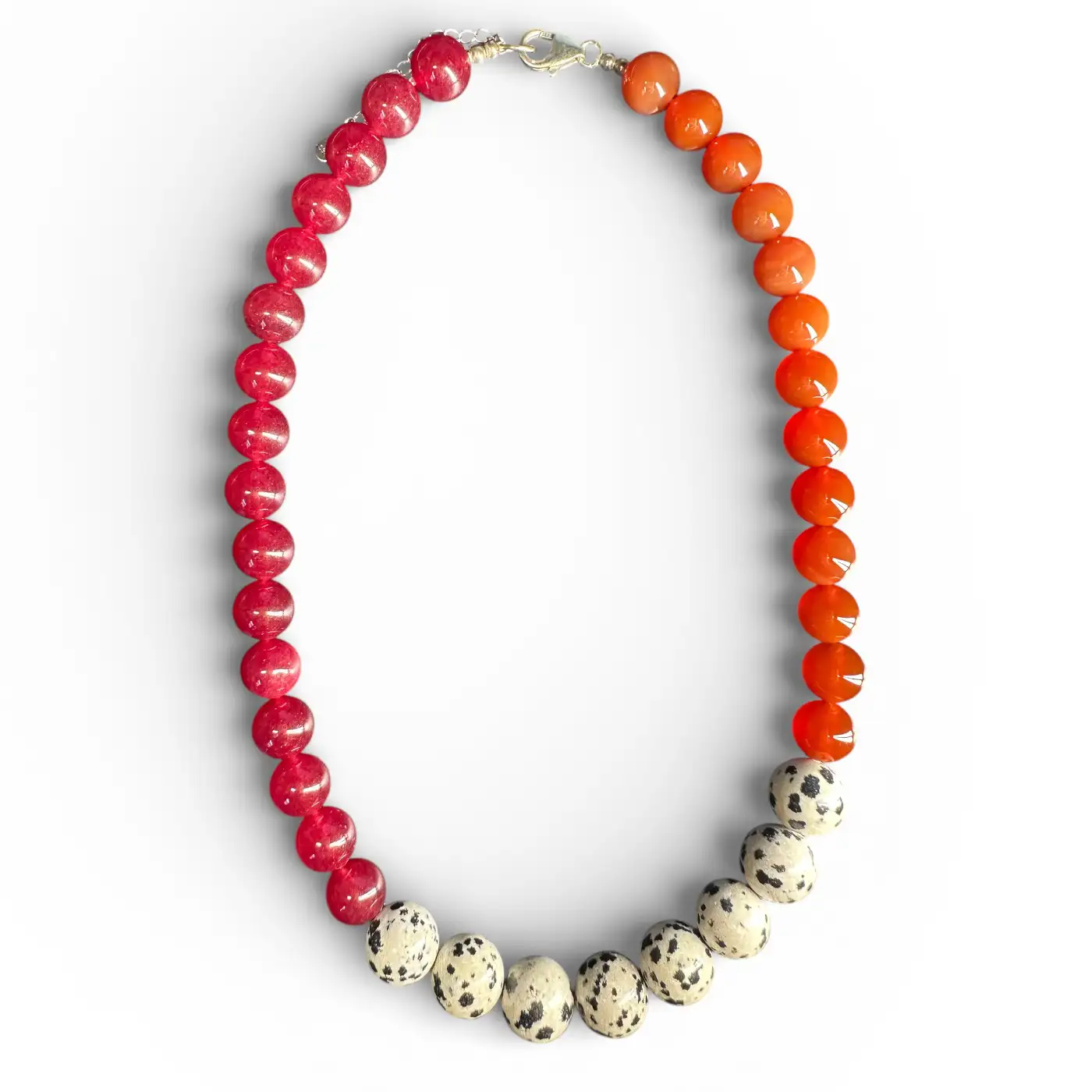
One of the most fundamental decisions in jewelry selection is choosing between gold and silver. Both metals have centuries of history, distinct aesthetic qualities, and a loyal following — but which one is right for you? In this guide, we explore the differences between gold and silver across durability, appearance, skin compatibility, gemstone pairing, and value, so you can make a choice that truly reflects your personal style and lifestyle.
Understanding Gold: Karat, Color, and Quality
Gold jewelry is measured in karats (K) — a unit that indicates the proportion of pure gold in the alloy. The most common karat weights are:
- 24K — 99.9% pure gold. Beautiful but too soft for most jewelry. Prone to scratching and bending.
- 18K — 75% pure gold. The preferred standard for fine jewelry. Balances richness with durability.
- 14K — 58.5% pure gold. Highly durable and more affordable. The most popular choice in the United States.
- 10K — 41.7% pure gold. The most durable but least rich in color. A budget-friendly option.
Gold also comes in three primary colors: yellow gold (classic and warm), white gold (alloyed with palladium or nickel, often rhodium-plated for a bright finish), and rose gold (alloyed with copper for a romantic, blush hue). Each color has a distinct personality and pairs differently with skin tones and gemstones.
Understanding Silver: Sterling, Fine, and Silver-Filled
The most common silver used in jewelry is sterling silver (925), which is 92.5% pure silver alloyed with 7.5% copper for strength. Pure silver (999) is too soft for most applications, while silver-filled and silver-plated options offer a lower-cost alternative but require more maintenance.
Sterling silver has a bright, cool luster that pairs beautifully with a wide range of gemstones. Its main drawback is its tendency to tarnish over time when exposed to air, moisture, and certain chemicals — though this is easily managed with proper care and storage.

Skin Tone Compatibility
Skin tone is one of the most useful guides for choosing between gold and silver. While personal preference always takes precedence, these general guidelines can help:
- Warm skin tones (golden, olive, or peachy undertones) are typically enhanced by the warmth of yellow gold and rose gold.
- Cool skin tones (pink, red, or bluish undertones) tend to look most striking with the cool brightness of silver or white gold.
- Neutral skin tones have the greatest flexibility and can wear both metals equally well. Rose gold is particularly flattering for neutral complexions.
Durability and Everyday Wearability
For everyday wear, 14K or 18K gold is the most durable option. Gold does not tarnish and is highly resistant to corrosion, making it an excellent choice for rings, bracelets, and pieces that are worn continuously. White gold is typically rhodium-plated, which means the plating may wear away over time and require replating every few years.
Sterling silver is also durable for daily wear but requires more maintenance due to tarnishing. Wearing silver regularly actually helps prevent tarnish, as the friction of daily wear keeps the surface polished. However, remove silver jewelry before swimming, bathing, or applying lotions and perfumes to preserve its shine.
Gemstone Pairing: Which Metal Works Best?
The metal setting profoundly influences the way a gemstone appears. Here are some classic pairings:
- Yellow gold + warm stones — Citrine, amber, garnet, coral, and carnelian are intensified by yellow gold’s warmth.
- White gold / Silver + cool stones — Aquamarine, blue topaz, moonstone, and tanzanite glow against cool metal tones.
- Rose gold + pink and neutral stones — Morganite, rose quartz, peach sapphire, and champagne diamond are exquisite in rose gold.
- Gold + emerald — A timeless pairing. The lush green of an emerald is magnificently framed by yellow gold.
- Silver + labradorite or moonstone — The iridescent shimmer of these stones is amplified by silver’s reflective surface.
Value and Investment Potential
From an investment standpoint, gold has historically maintained and grown in value over time. Higher-karat gold jewelry — particularly 18K and 22K — retains intrinsic metal value and is considered a form of tangible wealth in many cultures. Silver, while also a precious metal, is considerably less valuable per gram and more subject to market volatility.
However, the investment value of any piece of jewelry is also determined by craftsmanship, gemstone quality, rarity, and provenance — so beautiful, handmade artisan jewelry in either metal can be highly valuable in its own right.
The Verdict: Choose What Resonates With You
There is no universally “better” metal — only the metal that is best for you. Gold offers warmth, prestige, and enduring value. Silver offers versatility, coolness, and artistic possibility. Many jewelry lovers today build collections in both metals, wearing them separately or mixing them deliberately for a contemporary, personal aesthetic.
At Sunrise by Marina, our pieces are crafted in gold-filled and sterling silver settings, each selected to best complement the natural gemstones at their heart. Explore our collection and discover the metal — and the story — that speaks to you.