
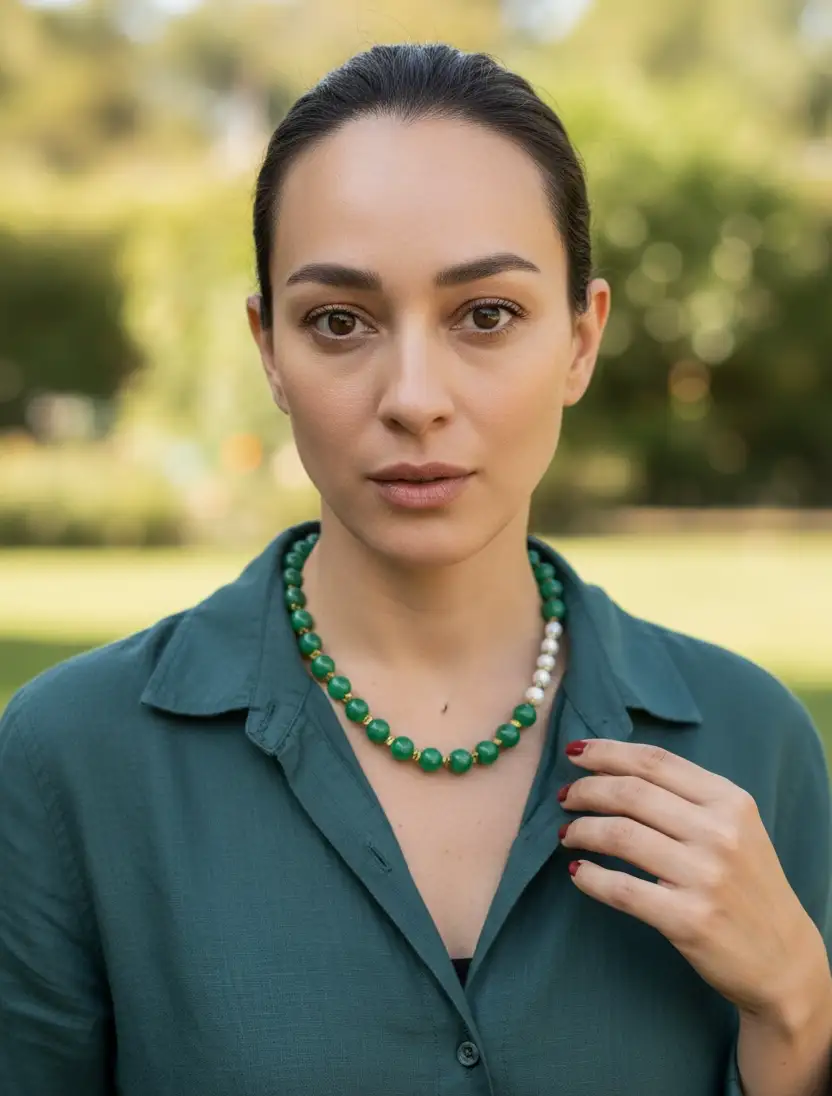
Choosing the right gemstone for a piece of jewelry is one of the most personal and meaningful decisions a jewelry lover can make. Whether you’re selecting a birthstone ring, a special gift, or a statement necklace, understanding the key qualities of gemstones will help you make a confident, informed choice. In this guide, we break down everything you need to know about gemstone selection — from color and clarity to hardness and healing symbolism.
The Four Cs of Gemstones
Much like diamonds, colored gemstones are evaluated using four key criteria — often referred to as the Four Cs: Color, Clarity, Cut, and Carat Weight. Understanding these factors will give you a strong foundation for evaluating any gemstone you encounter.
1. Color — The Most Important Factor
Color is the single most influential quality in a colored gemstone. It is assessed by three elements: hue (the base color, such as blue or green), tone (how light or dark the color appears), and saturation (the intensity or vividness of the color). The finest gemstones display a rich, vivid hue with medium to medium-dark tone and strong saturation — without appearing muddy or overly dark.
For example, the most prized emeralds are a vivid, slightly bluish green. Premium rubies exhibit a pure, intense red — sometimes described as “pigeon’s blood.” And the finest sapphires show a vivid, cornflower blue that is neither too light nor too inky dark.
2. Clarity — What’s Inside the Stone
Clarity refers to the presence or absence of inclusions (internal characteristics) and blemishes (surface features). Unlike diamonds, most colored gemstones are expected to have some degree of natural inclusions — and in many stones, these are accepted and even celebrated as proof of natural origin.
Emeralds, for instance, almost always contain inclusions (called a “jardin”), while aquamarines and topazes are often found with high clarity. When shopping for gemstones, ask to view the stone under magnification and inquire whether any fractures are treated with resin or oils — a common industry practice that affects both appearance and value.
3. Cut — Releasing the Stone’s Brilliance
A well-executed cut maximizes a gemstone’s color, brilliance, and overall visual appeal. Cutters must balance preserving carat weight against achieving the ideal proportions for light reflection. Common cuts for colored gemstones include the oval, cushion, pear, round brilliant, and cabochon (a smooth, domed cut often used for opaque stones like turquoise and onyx).
4. Carat Weight — Size Matters (But Not Always)
Carat weight is a measurement of a gemstone’s mass — one carat equals 0.2 grams. Larger stones are rarer and therefore exponentially more valuable per carat. However, a smaller, high-quality gemstone can far outshine a large stone of inferior color or clarity. When budgeting for a gemstone purchase, prioritize color and clarity over sheer size.
Hardness and Durability: Choosing a Stone That Lasts
Gemstone hardness is measured on the Mohs scale, which ranges from 1 (softest) to 10 (hardest). Diamonds score a 10, sapphires and rubies a 9, and emeralds a 7.5–8. For everyday jewelry — especially rings — choose gemstones with a Mohs rating of 7 or higher, as softer stones are more prone to scratching and chipping.
Stones like pearls (Mohs 2.5–4.5), opals (5.5–6.5), and turquoise (5–6) are beautiful but require more careful handling. They are better suited for earrings, pendants, or occasional-wear bracelets than for daily-wear rings.
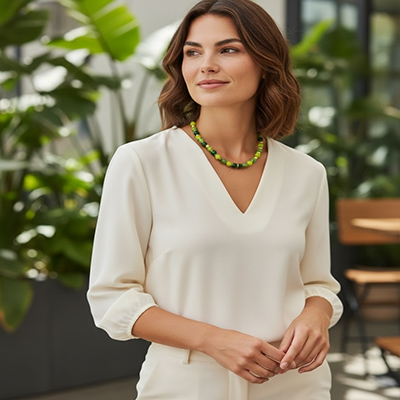
The Symbolism and Energy of Popular Gemstones
Beyond their physical beauty, many people choose gemstones for their symbolic or metaphysical associations. While scientific evidence for crystal healing is limited, the cultural and personal meaning that stones carry is very real and deeply personal.
- Amethyst — Associated with calm, clarity, and spiritual protection. A popular choice for meditation and stress relief.
- Emerald — The stone of love and wisdom, long associated with fertility, rebirth, and growth.
- Ruby — Symbolizes passion, courage, and vitality. A traditional gift for deep romantic love.
- Sapphire — Linked to loyalty, truth, and inner peace. A classic choice for engagement rings.
- Jade — Revered in Asian cultures for centuries as a symbol of harmony, luck, and protection.
- Labradorite — Known as the “stone of transformation,” valued for its iridescent play of color.
Natural vs. Treated vs. Synthetic Gemstones
When purchasing gemstones, it’s essential to understand the difference between natural, treated, and synthetic stones.
Natural gemstones are mined from the earth with no human-made enhancements. They are the most valuable and highly sought after. Treated gemstones have undergone heat treatment, fracture filling, or surface coating to improve their appearance — a widespread and generally accepted practice, provided it is disclosed. Synthetic gemstones are lab-grown with the same chemical composition as natural stones, but produced in a controlled environment. They are typically more affordable and environmentally friendly, though they carry less rarity value.
Always ask your jeweler for full disclosure on any treatments a gemstone has received, and request a certificate from a reputable gemmological laboratory (such as GIA, AGL, or Gübelin) for high-value purchases.
Matching Gemstones to Skin Tone and Metal
The right gemstone should complement not only your personal style but also your natural complexion and the metal of the setting. Here are some classic pairings:
- Warm skin tones are beautifully enhanced by warm-colored stones: citrine, amber, carnelian, peridot, and golden topaz. Yellow gold settings amplify this warmth.
- Cool skin tones are flattered by cool hues: sapphire, tanzanite, aquamarine, amethyst, and blue topaz. White gold, silver, and platinum settings work harmoniously.
- Neutral skin tones have the most flexibility — rose quartz, morganite, pearl, and labradorite are universally flattering, and rose gold provides a beautiful middle ground.
Final Thoughts: Trust Your Instincts
At the end of the day, the best gemstone is the one that speaks to you. Whether you’re drawn to the deep blue of a sapphire, the earthy warmth of jasper, or the organic elegance of a baroque pearl, trust your instincts. Fine jewelry is meant to be worn, loved, and passed down through generations — and that journey begins with a stone that truly resonates with you.
At Sunrise by Marina, every piece is thoughtfully crafted using hand-selected natural gemstones chosen for their beauty, energy, and quality. Explore our collection and find the gemstone that tells your story.