
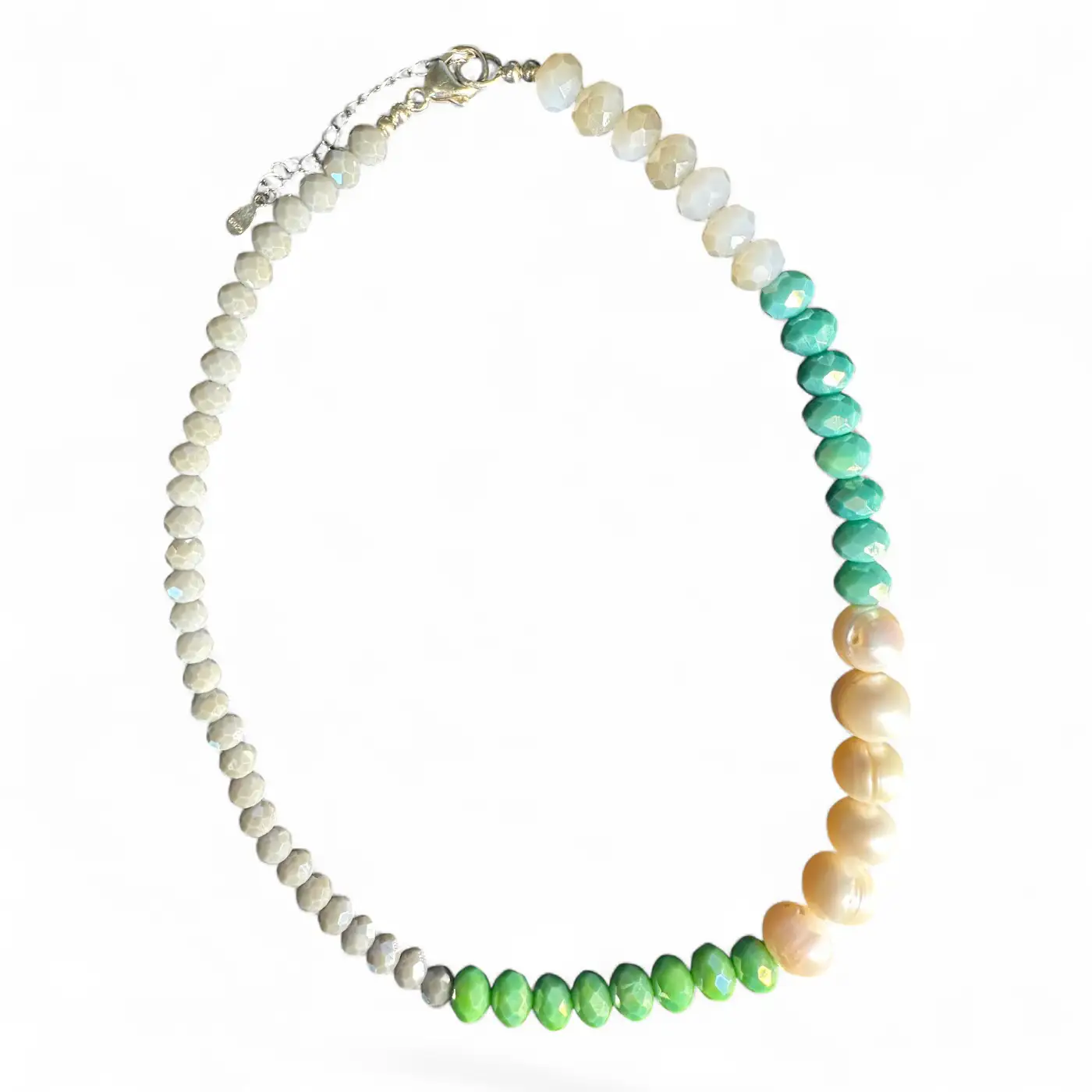
Pearls have captivated humanity for millennia. They are the only gemstone produced by a living creature, and their organic, luminous beauty remains unparalleled in the jewelry world. Yet despite their timeless appeal, many buyers feel uncertain when evaluating pearl quality or choosing the right style. This comprehensive guide covers everything you need to know about buying, wearing, and caring for pearl jewelry.
Types of Pearls: Natural, Cultured, and Freshwater
Understanding the difference between pearl types is the first step to making an informed purchase.
- Natural Pearls — Formed entirely without human intervention, when an irritant enters a mollusk and layers of nacre form around it. True natural pearls are extraordinarily rare and command extremely high prices.
- Saltwater Cultured Pearls — The most coveted cultured pearls, grown in ocean-farmed mollusks. Major varieties include Akoya (Japan), Tahitian (French Polynesia), and South Sea (Australia, Indonesia, Philippines).
- Freshwater Cultured Pearls — Grown in freshwater mussels, primarily in China. These pearls come in the widest range of shapes and colors and represent the most accessible price point without sacrificing beauty.
The Seven Virtues of Pearl Quality
The jewelry industry evaluates pearl quality using seven key factors:
- 1. Luster — The most critical quality. Luster is the depth and sharpness of light reflected from a pearl’s surface. High-luster pearls appear almost mirror-like, with a bright, sharp reflection. Low-luster pearls look dull and chalky.
- 2. Surface Quality — Cleaner surfaces command higher prices. Minor blemishes are common and expected in natural pearls, but deep cracks, dull spots, or chips significantly reduce value.
- 3. Nacre Thickness — Nacre is the material that forms the pearl. Thicker nacre means a more durable pearl with deeper luster. Thin nacre may reveal the nucleus beneath and is prone to peeling over time.
- 4. Shape — Perfectly round pearls are the rarest and most prized. Other shapes include near-round, oval, drop, button, semi-baroque, and baroque. Baroque pearls — with their irregular, organic forms — have gained significant popularity for their artistic character.
- 5. Size — Larger pearls are rarer and more valuable. Freshwater pearls typically range from 5–11mm; Akoya from 6–8mm; South Sea from 9–20mm; and Tahitian from 8–15mm.
- 6. Color — Pearls come in a remarkable spectrum of colors. Body color is the dominant hue (white, cream, pink, silver, gold, green, peacock, black). Overtone is the translucent color that floats on the surface. Orient is the iridescent rainbow effect seen in the finest pearls.
- 7. Matching — For strands and multi-pearl pieces, consistency in size, shape, luster, and color across all pearls significantly increases value.
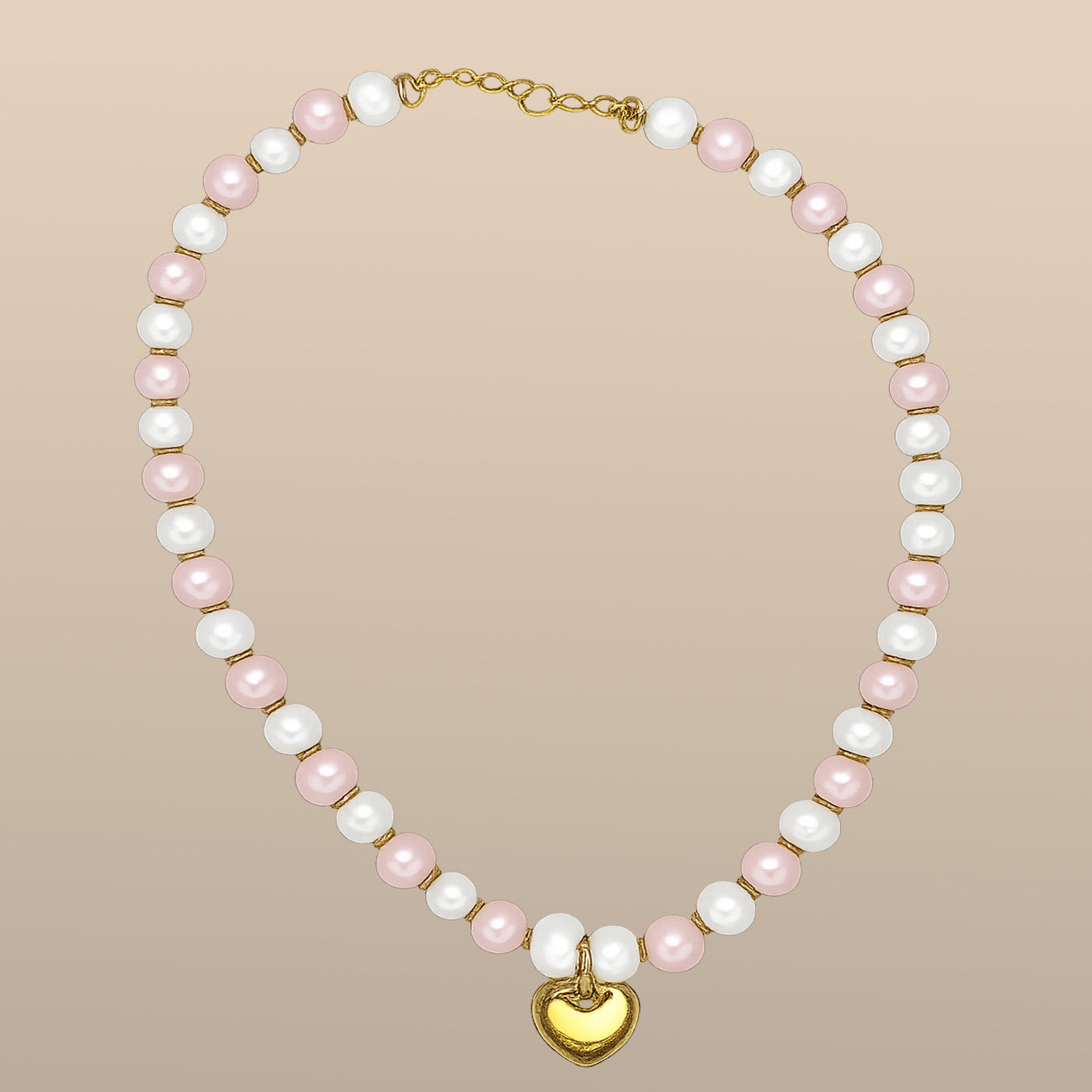
Styling Pearls for the Modern Wardrobe
Pearls are no longer reserved for formal occasions or conservative styling. The modern approach to pearl jewelry is bold, creative, and deeply personal.
- Classic strand — A timeless choice for professional, formal, or special occasion wear. Choose a single strand for understated elegance, or a triple strand for drama.
- Baroque pearl necklace — The irregular shapes of baroque pearls create a sculptural, artistic look that pairs beautifully with casual and boho outfits.
- Pearl and gemstone combination — Mixing pearls with colored gemstones adds vibrancy and creates a uniquely personalized piece.
- Pearl studs — The most versatile pearl piece. Classic white or cream studs work with everything; colored or baroque pearl studs add a contemporary edge.
- Pearl layering — Layer a pearl pendant with fine gold chains for a soft, feminine layered look.
How to Care for Your Pearl Jewelry
Pearls are among the most delicate of gemstones and require careful handling. Follow these guidelines to keep your pearls radiant for generations:
- Put on pearl jewelry after applying makeup, hairspray, and perfume. Chemicals can damage nacre permanently.
- Wipe pearls gently with a soft, damp cloth after wearing to remove oils and perspiration.
- Store pearls separately from other jewelry — never in airtight containers, as pearls need slight humidity to maintain their luster.
- Lay pearl necklaces flat for storage; hanging them causes the silk thread to stretch over time.
- Have pearl strands restrung every few years, especially if worn regularly.
At Sunrise by Marina, our pearl pieces are crafted with great care, pairing natural and cultured pearls with hand-selected gemstones and gold-filled or sterling silver settings. Each pearl piece is as unique as the person who wears it.